INsights
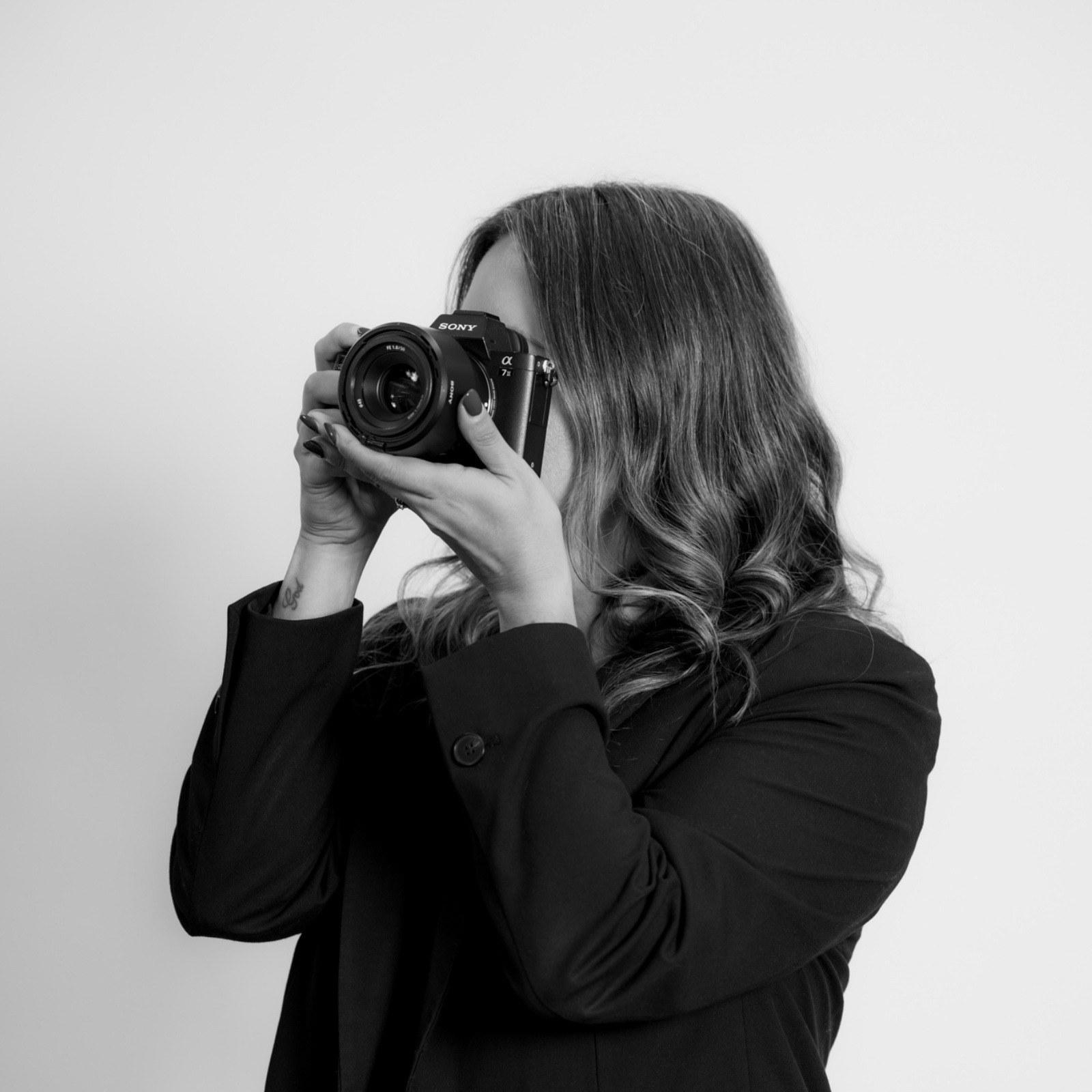
Anyone can take a photo. Creating images that make a brand look distinctive, consistent and worth noticing is a different job altogether.
For businesses producing more content across more channels, the demand for imagery has never been greater. Websites need hero images and product photography. Social channels need a constant flow of creative. Campaigns need multiple formats. Advertising needs images that capture attention quickly.
It's tempting to solve that demand by simply producing more.
But good brand photography isn't about filling an image library. It's about creating the right visual assets for the job — and making sure they strengthen the brand wherever they're used.
A photoshoot shouldn't begin with a shot list.
It should begin with a question: what do we need these images to do?
Product photography designed for an e-commerce page has a different job from campaign imagery. A website hero needs to work differently from a social ad. Brand photography may need to communicate personality and positioning before someone has read a single word.
Understanding where the images will appear, who will see them and what they need to communicate changes how the shoot is approached.
That's the difference between taking good photographs and creating useful marketing assets.
It's Strategy Before Spend: understand what the creative needs to achieve before investing in producing it.
People form an impression of a business remarkably quickly, and imagery plays a significant role in that impression.
Lighting, composition, styling, location, colour, people, and even the amount of space within an image can influence how a brand feels.
Premium or accessible. Bold or understated. Established or emerging. Clinical or human. Playful or serious.
None of those decisions should happen accidentally.
Strong brand creative creates a visual language that supports how the business wants to be perceived. Photography is one of the most immediate ways to bring that language to life.
Good product photography doesn't simply document what something looks like.
It creates context.
The way a product is lit, positioned and styled can communicate quality, ingredients, usage, personality and price positioning without needing to explain any of those things explicitly.
That's particularly important in categories where customers are choosing between products that can appear similar at first glance.
The photograph has to do more than prove the product exists. It has to give someone a reason to notice it.
One of the easiest mistakes to make in a photoshoot is focusing only on the individual image rather than on how it will eventually be used.
A beautiful photograph may be almost useless as a website banner if there is nowhere to place a headline. An image composed perfectly for a square social post may not translate to a wide digital ad. A close crop might look fantastic on its own, but leave very little flexibility for other applications.
Planning ahead creates more value from the shoot.
Think about landscape and portrait formats, close and wide compositions, negative space for copy, website requirements, social crops, paid advertising and campaign variations before the camera starts clicking.
One shoot can then produce a much broader library of useful assets rather than a collection of great images that only work in one place.
A strong image library needs enough consistency to feel like one brand without becoming repetitive.
That can come through lighting, colour, styling, composition or the overall creative direction, rather than producing twenty versions of essentially the same photograph.
The aim is to create variety within a recognisable visual world.
That gives marketing teams the flexibility to keep campaigns and content fresh while still building familiarity with the brand over time.
A lot of what determines whether a photoshoot works happens before anyone picks up a camera.
The concept, mood, references, shot requirements, props, backgrounds, talent, products and intended applications all influence the result.
Good pre-production also makes the shoot day more productive. Everyone knows what needs to be captured, why it matters and where the priorities are.
There is still room for experimentation — often some of the best images come from seeing something unexpected on the day — but experimentation works better when the fundamentals have already been thought through.
Professional photography is an investment, so the resulting assets should have a life beyond a single campaign or webpage, wherever possible.
With the right planning, one shoot can yield imagery for a website, organic social, paid advertising, email, presentations, sales materials and future campaigns.
It can also deliver different levels of creative: clean product images, more expressive campaign shots, detailed crops, contextual imagery and supporting content.
That doesn't mean trying to make every photograph work everywhere. It means designing the shoot as a marketing asset library, rather than treating it as a one-off production exercise.
The volume of content being produced isn't slowing down. If anything, AI and increasingly accessible production tools mean businesses will have more imagery competing for attention, not less.
That makes it distinctive, considered creative, and more valuable.
Professional photography isn't necessary because businesses can't take photographs themselves. It's valuable when the brand needs imagery with a clear purpose, a consistent visual identity and enough flexibility to work across the marketing environment.
The question isn't simply whether an image looks good.
Does it look like you? Does it communicate something? And can your marketing actually use it?
That's where a photoshoot starts earning its place.
Need a stronger library of creative assets for your brand?
Start a conversation about what you're trying to communicate, where the creative needs to work and what we can create around it.