INsights
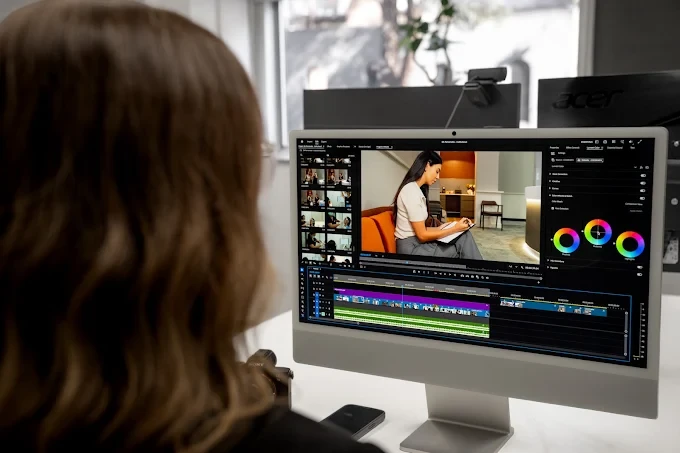
A business with a capable marketing team, good equipment and access to AI tools can have everything it needs to produce its own content. What it often lacks is the time to do it well alongside everything else the team is responsible for.
Most businesses need two kinds: everyday content that shows the people, projects and knowledge inside the business, and a smaller set of assets that carry the brand and its paid campaigns. The first is usually best made in-house.
Everyday social content, team updates, industry commentary, behind-the-scenes footage and informal product demonstrations are natural candidates for internal production. A technician explaining how a product works on the factory floor often carries more credibility than a scripted corporate video. The value is in the knowledge being shared, and overproducing it risks losing that authenticity.
Give your team clear brand guidelines and direction on what is worth capturing. They don't need to become content producers to make a valuable contribution.
Look at where the content will appear, the audience it needs to reach and the commercial investment behind it. If you're committing thousands of dollars to an advertising campaign, the creative deserves the same care. Saving on production and then paying to distribute material that doesn't sell the offer wastes the media budget, not just the production budget.
Brand launches, website photography, campaign creative and complex video productions are where specialist creative direction, copywriting, design and production expertise usually earn their cost.
Outsourcing doesn't have to mean commissioning an entire production. Your team may already have good project footage, product knowledge or client interviews. What you need externally is the expertise to turn that material into an effective campaign, case study or sales asset.
AI is useful for drafting website copy, refining messaging and adapting existing content. The finished copy still needs to reflect your actual expertise, accurately describe your services and give prospective clients a reason to choose your business.
It also creates a responsibility. If several departments are generating their own imagery, copy and presentations, who is maintaining the brand's visual identity and messaging? Who is checking technical accuracy, usage rights and whether generated images accurately represent the products or services being promoted?
AI Is for the Admin. Keep Your Hands on the Creative covers where AI saves time and where judgement still matters.
Assess your production requirements against five considerations:
A marketing manager spending a day editing a video avoids an external production fee, but their time still has a cost. Whether that's a saving for the business depends on what else needs their attention that day.
For many businesses, a collaborative production model makes commercial sense. Keep the knowledge and everyday content capture close to the business, and bring in specialist expertise at the stages where it improves the finished work.
If you're not sure where that line sits for your team, we can help you work out which content production to keep in-house.
Establish shared brand guidelines, approved visual assets, messaging principles and templates. Assign responsibility for reviewing material before publication, particularly when multiple departments or external suppliers are involved.
Consider how often the equipment will be used and whether your team has the skills to operate it. Smartphones, microphones and basic lighting are usually enough for regular internal content. For occasional, complex projects, hiring equipment or commissioning specialist production is often more economical.
Ownership and usage rights depend on the supplier agreement. Confirm whether the business receives editable design files, raw footage, finished assets and appropriate licences for third-party imagery, music and other materials. Establish these terms before production begins.